

No items found.
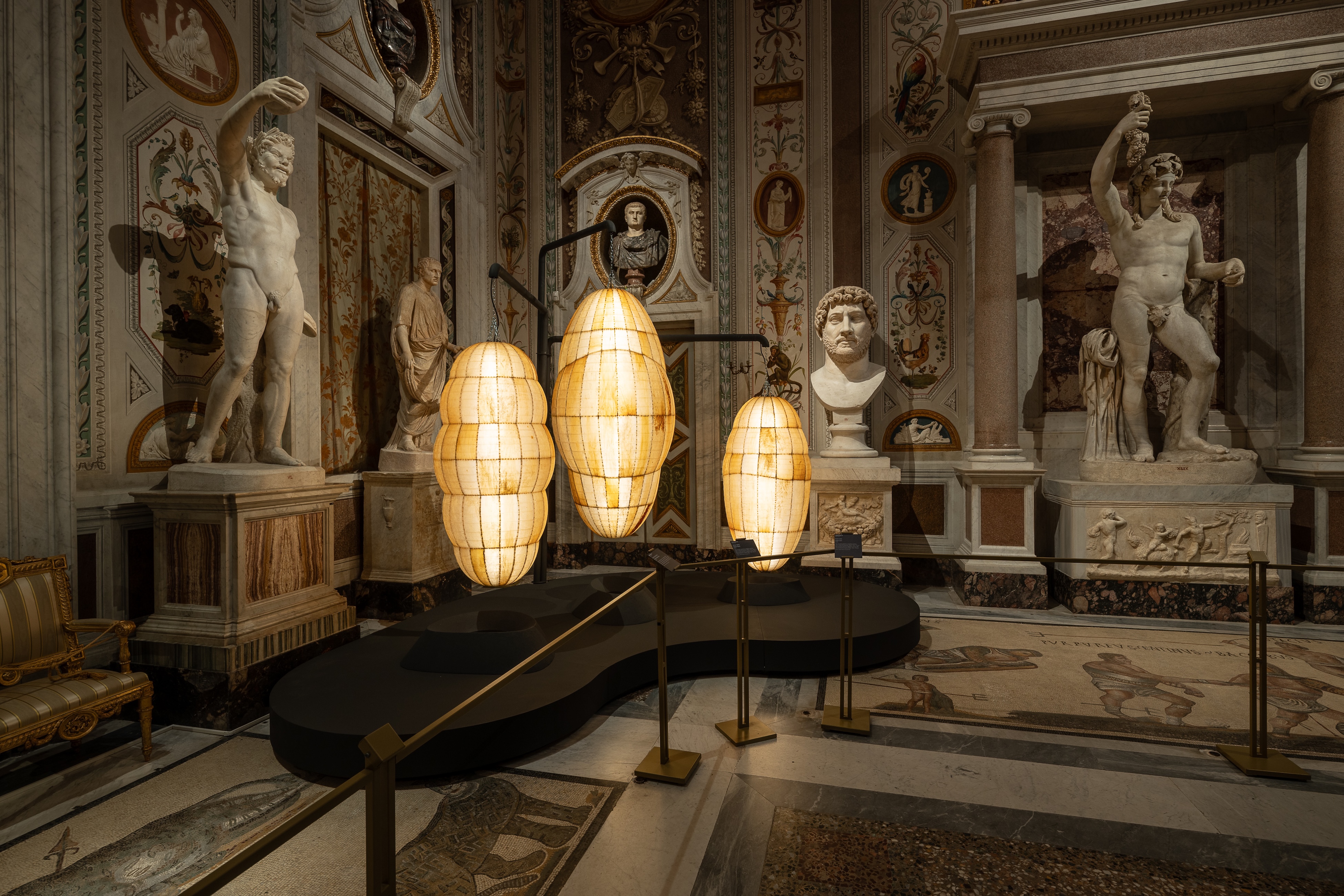
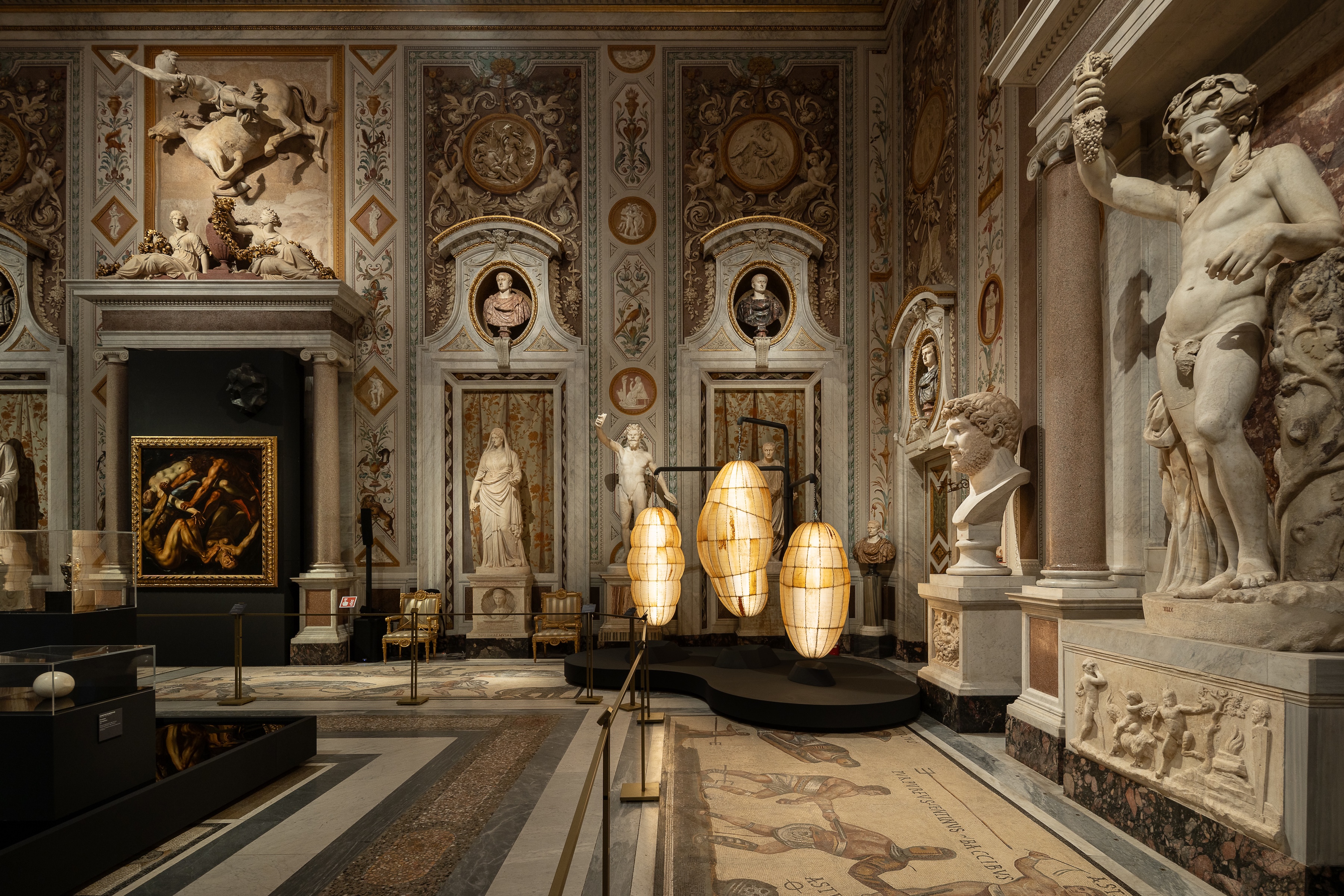
Following its presentation at the Rijksmuseum in Amsterdam, Metamorphoses. Ovid and the Arts arrives at the Galleria Borghese. The major exhibition project, born of the collaboration between the two institutions, is curated by Francesca Cappelletti and Frits Scholten. From 23 June to 20 September 2026, the exhibition is presented in Rome in an autonomous and original configuration, the result of an extensive international scholarly dialogue that has brought together over eighty works from leading European and American museums. Taking Ovid's Metamorphoses — one of the foundational and most enduring texts of the Western imagination — as its point of departure, the project explores the theme of transformation as a universal principle and as a key to interpreting the cosmos, matter, and the human condition. Ovid's poem thus becomes the gateway to a worldview grounded in change, in the instability of forms, and in the permeability of boundaries between the human, the natural, and the divine.
The spaces of Galleria Borghese constitute a particularly privileged context for the development of this exhibition project. The very foundation of the villa fuori Porta Pinciana is rooted in the symbolic universe of the Metamorphoses, making this site not only suitable but intrinsically connected to the theme of the exhibition. Cardinal Scipione Borghese commissioned the construction of the Casino nobile to house part of his collection, conceiving the architecture as a cultural device capable of weaving together myth, art, and self-representation within a coherent system of meanings. This vocation was further reinforced in the eighteenth century through the restorations commissioned by Marcantonio IV Borghese and entrusted to Antonio Asprucci, who reorganised the interiors by placing sculptures at the centre of the rooms and integrating them within a decorative programme inspired by the Metamorphoses, thereby shaping a context in which the presence of Ovid becomes structural and pervasive.
The core of the exhibition will therefore be the concept of metamorphosis as a generative principle capable of traversing and redefining the cosmos, matter, and the body. Through renowned myths and often tragic narratives, the Metamorphoses have for centuries provided artists with an inexhaustible repertoire of images and conflicts, giving visual form to passions, desires, cunning, violence, deception, and possibilities of redemption.


